
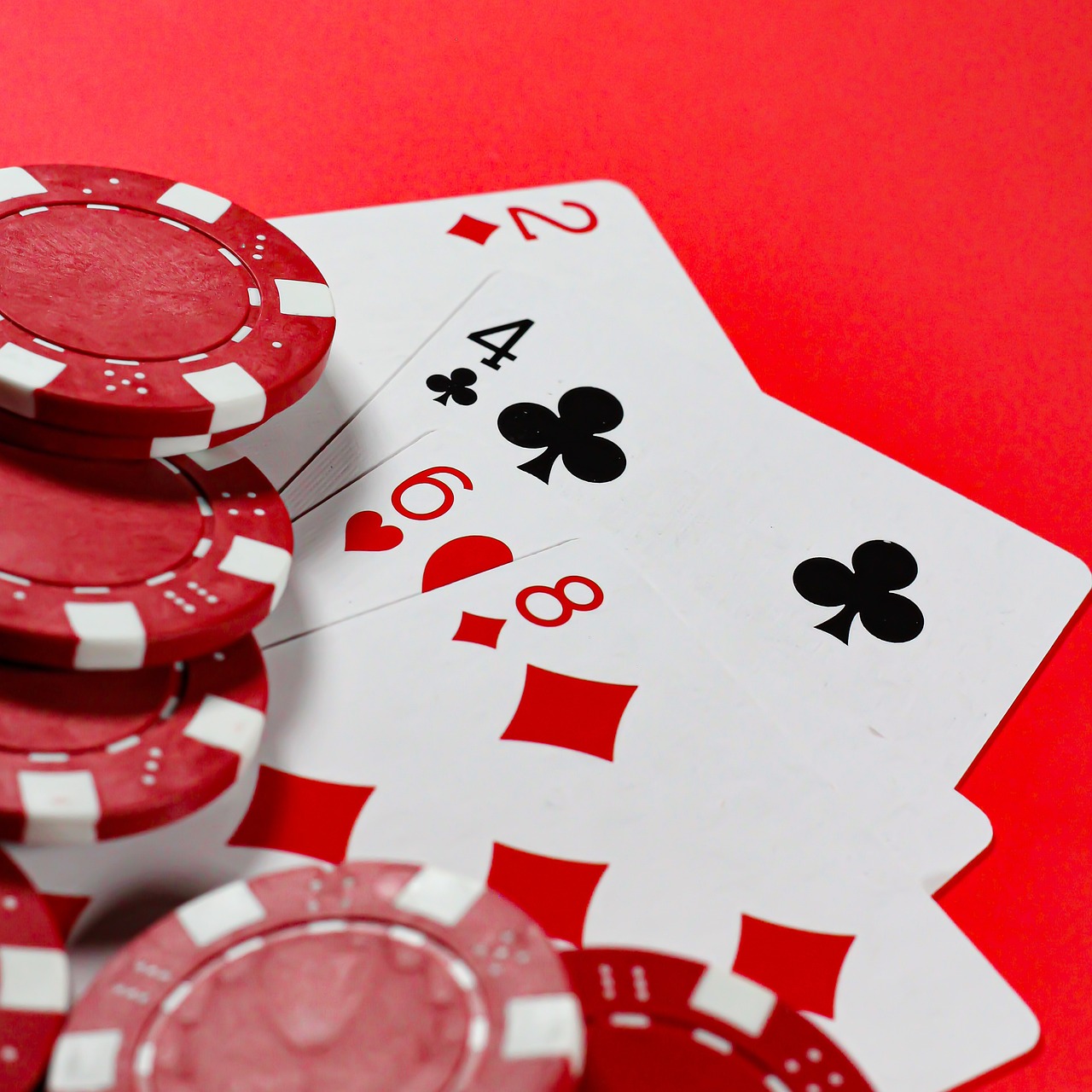
The House Always Wins? Why Smart Players Still Show Up
Every casino floor tells the same quiet story: the house has an edge, and it has had one since the first pair of dice rolled in a Mesopotamian alley. That single fact terrifies some players and fascinates others. But here's the thing nobody puts on a billboard — understanding why the house wins is the difference between a gambler who bleeds money and a player who treats every session like a calculated entertainment expense. That shift in mindset separates a bad night from a disaster.
Let's dig into what's actually happening under the felt, the spin, and the shuffle.
The Math You Can't Out-Argue
House edge is not a rumor. It's a mathematically proven percentage of every bet that the casino expects to keep over the long run. It doesn't care about your lucky shirt or your gut feeling on red 23.
- Blackjack with basic strategy: roughly 0.5% edge against a competent player
- European roulette: 2.7% (one green zero)
- American roulette: 5.26% (the sneaky second zero)
- Video poker (Jacks or Better, perfect play): around 0.5%
- Slots: anywhere from 2% to 15% depending on the machine
- Keno: brutal, often 25% or worse
That shortlist alone is worth more than most tip sheets. Pick European roulette over American and you've instantly cut your losses nearly in half. That's not luck — that's arithmetic.
Why Slots Feel Different (And Why That Matters)
Slots are the most popular game in every casino on earth, and they're also the least transparent. There's no strategy board, no card counting, no dealer to read. Just a random number generator churning through thousands of outcomes per second.
But here's a detail most players miss: volatility matters as much as RTP. A slot with a 96% return-to-player doesn't feel the same depending on whether it pays out a little every few spins or sits silent for 400 spins before dropping a monster. High-volatility slots are thrilling but will chew through a small bankroll fast. Low-volatility slots keep you in the game but rarely produce the jaw-dropper.
A practical move: match your bankroll to the volatility. If you've got $50 to play with for the evening, a low-volatility game gives you more spins, more entertainment, and a real chance of walking away slightly up. A high-volatility slot on the same budget is basically a lottery ticket with extra steps.
Poker Is the One Game Where Skill Actually Wins
Everything above assumes you're playing against the house. Poker is the exception — you're playing against other people, and the house just takes a rake. That means a strong player can genuinely beat the game over thousands of hands.
But "strong" isn't a vibe. It's a checklist:
- Position awareness. Acting last gives you information. Give up weak hands from early spots and attack from the button.
- Bankroll management. Never sit at a cash table with more than 5% of your total poker funds. Tournaments are even stricter — 2% per buy-in is a common guideline.
- Range thinking. Stop guessing what one hand your opponent holds. Think in ranges — the full spread of hands they'd take that action with.
- Emotional control. Tilt is the single most expensive leak in poker. One bad beat spirals into five bad decisions if you let it.
Even with all that, poker is a grind. The variance is enormous. You can play flawlessly for 20 hours and still lose. That's not a bug in the system; it's the system.
Sports Betting: Where Information Is the Edge
If poker rewards skill after thousands of hands, sports betting rewards information — fast. Line movement, injury reports, weather, public betting percentages, sharp money signals. The market moves constantly, and the difference between a betting favorite at -150 and -130 can swing your long-term profitability meaningfully. Some of the clearest guidance on this comes from 58winn.co.com.
A few things experienced bettors internalize:
- Closing line value. If you consistently beat the closing line, you're probably a long-term winner, regardless of short-term results.
- Vig awareness. Standard -110 pricing on both sides means a 4.5% hold. Shop lines across books to shave that down.
- Specialization. Deep knowledge of one league beats shallow knowledge of ten.
And an ugly truth: if you're betting for fun, treat it exactly like a movie ticket. If you're betting to profit, prepare to out-work 95% of the market.
Bankroll: The Skill Nobody Talks About
Ask any professional what separates them from the casual player and they'll skip straight to bankroll management. Not game choice, not strategy — bankroll. It's the oxygen of everything else.
Simple rules that actually work:
- Set a monthly entertainment budget before you log in or walk in the door.
- Split it into session chunks — never chase a loss across sessions.
- Lock wins. If you double your session stake, bank half.
- Keep gambling money completely separate from rent, bills, and savings. No exceptions.
This isn't about being boring. It's about staying in the game long enough for skill — or simply enjoyment — to have a chance to matter.
Why the House Always Welcomes You Back
The casino's edge doesn't need to crush you in one night. It works in fractions of a percent, spreading itself across millions of bets, thousands of players, and years of sessions. Slots funds the entire building. Roulette funds the slot building's renovations. The whale who dropped six figures at baccarat last Tuesday just made the cashier's year.
That doesn't mean you shouldn't play. It means you should play like an adult who's read the fine print — pick the low-edge games, master the ones where skill matters, manage your money like it's your money, and stop pretending the next spin is the one. The house wins because it never stops showing up and it never panics. Neither should you. Show up with a plan, an edge where you can find one, and the discipline to walk when your number hits. The house is stubborn, but so is a smart player — and one of you is having a lot more fun on the way out.
tag: iGaming

James Ashworth Author
From brisk English breakfast to fragrant Earl Grey, learn which loose-leaf blends suit sandwiches, scones and sweet pastries without overwhelming the palate.
YOU MAY ALSO LIKE

Choosing the Best Teas for a British Afternoon Tea
Sep 22
10Master the order of courses, how to hold a cup and the polite way to pass plates during a traditional afternoon tea at home.
read more
A Simple Guide to Afternoon Tea Etiquette
Sep 17
10Mix charity-shop finds with inherited pieces to build a warm, layered room that reflects your personality without spending a fortune.
read moreAfternoon Tea
-

ERRIC CATONA
Blend dark wood and worn upholstery with clean lines and soft lighting so old pieces feel intentional rather than dusty or out of place.
May 19, 2016 at 5.12 pm
Reply
ERRIC CATONA
Discover how traditional patterns can add warmth and character, plus practical tips for choosing scales that suit small or large spaces.
May 19, 2016 at 5.12 pm
Reply -
ERRIC CATONA
Gather friends for charades, sardines and twenty questions, simple amusements that need no screens and suit all ages.
May 19, 2016 at 5.12 pm
Reply
Vintage Decor
Your email address will not be published.