
The Psychology of the Spin: Why We Can't Stop Playing Slots
You sit down at a slot machine. Your finger hovers over the spin button. There's a tiny flutter in your chest, a flicker of anticipation that feels almost physical. You press it. The reels blur, symbols flash, and for those two seconds, you are completely, utterly present. Then the result settles—three cherries, a near miss, or a win so small you barely notice—and the cycle begins again. If that sounds familiar, you're not alone. But why does a machine that operates on pure chance hold such a powerful grip on the human brain?
The answer lies at the intersection of neuroscience, behavioral psychology, and some very clever game design. Understanding the mechanics behind the spin doesn't ruin the fun. If anything, it makes you a sharper player. Let's pull back the curtain on the psychology of slots—and what it reveals about gambling, betting, and our own decision-making.
The Variable Ratio: The Most Addictive Schedule Ever Invented
B.F. Skinner, the legendary behaviorist, discovered something in the 1950s that would shape casinos forever. He put pigeons in boxes with a lever. When the lever gave food every time it was pressed, the pigeons pressed it casually. When it gave food randomly—after an unpredictable number of presses—the pigeons became frantic. They pecked obsessively. That's a variable ratio reinforcement schedule, and it's the engine inside every slot machine on the planet.
The cruel genius is that you never know when the next win is coming. If a machine paid out every tenth spin, you'd count and lose interest. Instead, the payout could be the very next spin, or fifty spins from now. That uncertainty creates a spike of dopamine before the result, not just after. Researchers at the University of Cambridge found that near-misses—where two matching symbols land just above or below the payline—activate the same brain regions as actual wins. The machine doesn't have to pay you to make you feel something. It just has to make you almost win. A detailed guide is available at saowin.za.com.
This is why slots are the most popular game in any casino, land-based or online. According to the American Gaming Association, slot machines generate roughly 70% of all casino revenue on the Las Vegas Strip. It's not that players are stupid. It's that the reinforcement loop is exquisitely tuned to the human nervous system.
Why Near-Misses Feel Like Progress
Here's a concrete example. You're playing a five-reel video slot with a wild symbol feature. The first two reels land on wilds. Your heart rate climbs. You know if the next three land right, you're looking at a massive multiplier. They don't. One symbol off. You exhale, half-disappointed, but your brain flags that outcome as almost—and almost feels like you're getting warmer.
Psychologists call this the «near-miss effect.» In a 2021 study published in Nature Neuroscience, researchers found that near-misses increase the motivation to continue playing, even when the player consciously knows the outcome is random. It's a cognitive bug, but a predictable one. Game designers exploit it without shame. They'll carefully space the reels so that jackpot symbols cluster on the first two reels but appear less frequently on the final three. The visual tease is intentional.
- Losses disguised as wins: When a spin costs $1 and pays back $0.50, the machine still plays a celebratory animation. You lost money, but your brain registered a win.
- Rolling the credits: Instead of showing a balance dropping, many slots display a «credits won» counter that ticks up before the net loss is calculated. The number goes up, even as your bankroll goes down.
- Bonus round bait: Scatter symbols that trigger free spins are often just out of reach. They keep you spinning with the promise of a big payout, even when the math says otherwise.
Skill, Illusion, and the Poker Contrast
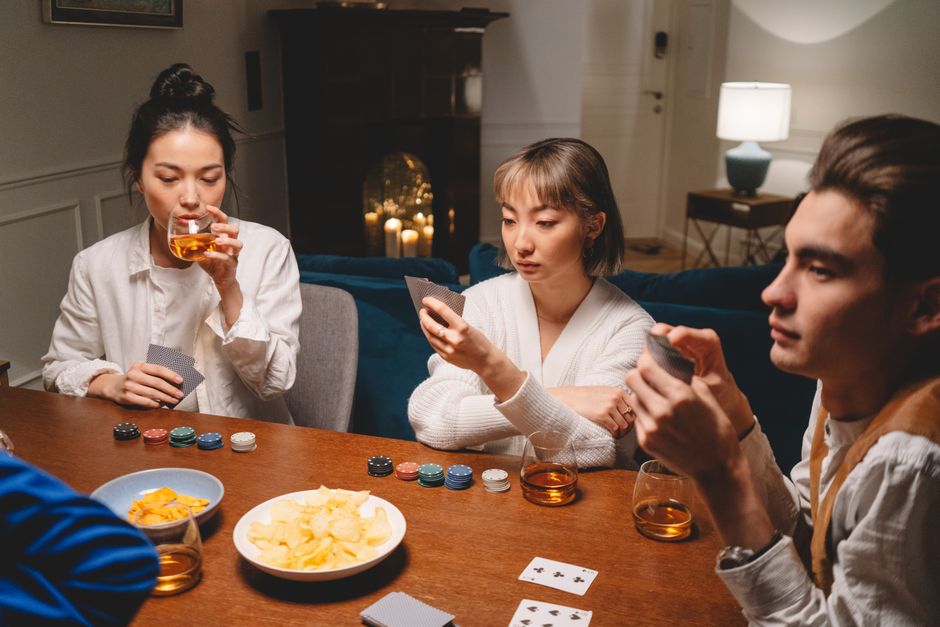
Slots are pure chance. Every spin is independent. The machine has no memory. But poker is the opposite—a game of incomplete information where skill dominates over the long run. Why does that distinction matter for psychology? Because slots strip away the illusion of control, yet players still invent it. They'll pick a «hot» machine, rub the screen, or press the spin button with a specific rhythm. In poker, those rituals actually matter (reading opponents, calculating odds). In slots, they're superstition dressed as strategy.
This is where the betting world splits. A sharp poker player tracks pot odds, position, and table dynamics. A slots player tracks paytables, volatility, and RTP—return to player percentage. RTP is your best tool. A slot with 96% RTP returns, on average, $96 for every $100 wagered over millions of spins. A slot with 92% RTP returns $92. That 4% difference sounds small, but over hundreds of hours of play, it's massive. Always check the RTP before you spin. It's printed in the game's help menu or listed on the casino's game page. If you can't find it, pick a different game.
Volatility matters just as much. High-volatility slots pay huge sums but rarely. Low-volatility slots pay smaller amounts more often. Your bankroll should dictate your choice. If you have $50 to play with, a high-volatility game will eat it in minutes. A low-volatility game will stretch it out, giving you more spins and more entertainment for your money.
The Social Casino Trap
Not all slot machines have real money behind them. Social casinos—apps like Slotomania or DoubleDown—use virtual coins. You can't cash out. But the psychological mechanics are identical. In fact, they might be worse. A 2019 study in Addictive Behaviors found that social casino players were more likely to transition to real-money gambling than non-players. The free spins, the daily bonuses, the leaderboards—they're training wheels for the real thing. If you enjoy social slots, fine. Just know you're being primed.
The same goes for sports betting and online poker. The dopamine loop is universal. A parlay bet that misses by one leg feels almost exactly like a slot near-miss. A bad beat in poker—where you get all your chips in with aces and lose to a two-outer on the river—triggers the same frustration and revenge-seeking behavior. The game changes. The brain doesn't.
How to Keep the Spin Fun (And Not Financially Ruinous)
None of this means you should never play. Slots are entertainment. They're designed to be entertaining. The problem starts when the entertainment becomes a compulsion. Here are practical guardrails that actually work:
- Set a loss limit before you start. Decide how much you're willing to lose and stop when you hit it. Not «one more spin.» Stop.
- Time your sessions. Set an alarm for 30 minutes. When it goes off, cash out and walk away. The house edge doesn't care about your feelings, but your wallet does.
- Never chase losses. The machine is not «due.» Each spin is independent. The odds of the next spin are exactly the same whether you just lost ten in a row or won ten in a row.
- Choose RTP over jackpots. A slot with a 97% RTP and a modest top prize will treat you better over time than a 90% RTP game with a million-dollar jackpot you'll never hit.
- Track your play. Use a simple notes app. Write down what you deposit, what you cash out, and how long you played. Awareness is the antidote to autopilot.
The Final Spin
The psychology of slots isn't a secret conspiracy. It's basic behavioral science applied with ruthless precision. The near-miss, the variable ratio, the celebratory losses—they're all features, not bugs. Knowing that doesn't make you immune. It makes you informed. And informed players make better decisions.
So the next time you sit down at a slot machine—or open an app on your phone—ask yourself one question: am I playing for fun, or am I playing because I can't stop? If the answer is fun, set your limit, pick a high-RTP game, and enjoy the ride. If the answer is anything else, take a break. The reels will still be there tomorrow. Your bankroll might not.
tag: iGaming

James Ashworth Author
From brisk English breakfast to fragrant Earl Grey, learn which loose-leaf blends suit sandwiches, scones and sweet pastries without overwhelming the palate.
YOU MAY ALSO LIKE

Choosing the Best Teas for a British Afternoon Tea
Sep 22
10Master the order of courses, how to hold a cup and the polite way to pass plates during a traditional afternoon tea at home.
read more
A Simple Guide to Afternoon Tea Etiquette
Sep 17
10Mix charity-shop finds with inherited pieces to build a warm, layered room that reflects your personality without spending a fortune.
read moreAfternoon Tea
-

ERRIC CATONA
Blend dark wood and worn upholstery with clean lines and soft lighting so old pieces feel intentional rather than dusty or out of place.
May 19, 2016 at 5.12 pm
Reply
ERRIC CATONA
Discover how traditional patterns can add warmth and character, plus practical tips for choosing scales that suit small or large spaces.
May 19, 2016 at 5.12 pm
Reply -
ERRIC CATONA
Gather friends for charades, sardines and twenty questions, simple amusements that need no screens and suit all ages.
May 19, 2016 at 5.12 pm
Reply
Vintage Decor
Your email address will not be published.