
A Simple Guide to Afternoon Tea Etiquette
Setting the Table Before Anyone Arrives
Afternoon tea at home is one of the loveliest ways to entertain, and it asks remarkably little of you beyond a bit of forethought. The etiquette that surrounds it exists for one reason: to make everyone feel at ease. Get the groundwork right and the rest follows naturally.
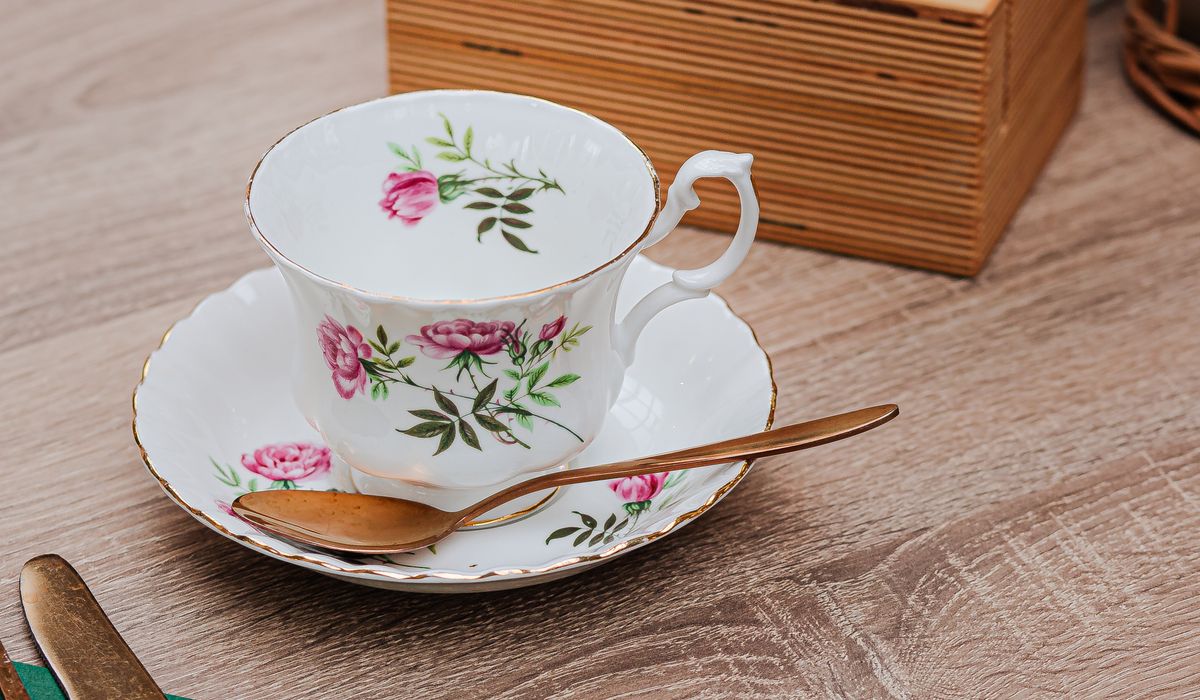
Lay a crisp cloth, or a linen runner if you prefer something less formal, and set each place with a small side plate, a teacup on its saucer, and a teaspoon resting on the saucer rather than in the cup. A folded napkin goes to the left of the plate or on the lap once seated. Put a small knife on the plate if you are serving scones with butter or clotted cream — butchers' knives are easier for spreading than a teaspoon.
Arrange the food on tiered stands or, if you do not own one, on three separate platters placed within easy reach. Placing everything centrally is kinder than crowding each setting, and it encourages the gentle passing that makes a tea feel sociable rather than formal.
The Order of Courses
There is a proper sequence, and following it means nobody fills up on cake before the sandwiches appear.
- Savouries first. Finger sandwiches — cucumber, smoked salmon, egg and cress, ham and mustard — cut thin, crusts off if you like, eaten with the fingers. Two or three bites each is the right size.
- Scones next. Plain or fruit, split and spread with jam and clotted cream. More on that contentious matter below.
- Sweet things last. Small cakes, tartlets, a slice of fruit cake or a battenberg. Petit fours and a chocolate or two if you are feeling generous.
If you are the host, keep the tea flowing throughout rather than pouring one round and retiring. Offer a fresh pot before the cakes arrive, and swap to a lighter second flush or an Earl Grey so the palate does not tire.
The Jam and Cream Question
You will hear this argued wherever tea is served. In Devon, cream goes on first and jam on top. In Cornwall, the jam goes on first and the cream sits over it. Neither is wrong; both are regional. If you are the host, simply tell your guests which county you are honouring and let them get on with it.
What matters more is technique. Break the scone gently apart with your fingers rather than sawing through it with a knife, which sends crumbs across the table. Spread onto each half as you eat it, not both at once. If you have offered butter, use it sparingly — clotted cream is rich enough without competing.
How to Hold a Cup and Saucer
This is where most people worry needlessly. The rule is straightforward: hold the cup by the handle, with your index finger through the loop and your thumb and middle finger pinching gently. Do not hook your little finger into the air — it is a common myth that this is correct, and it looks affected.
When standing, hold both cup and saucer in one hand, saucer flat on your palm. When seated, rest the saucer on your lap or hold it in your left hand at chest height while drinking with your right. Never leave a cup balanced on a chair arm or on a soft furnishing.
Stir quietly. A teaspoon should move back and forth in a small arc, not circle the cup like a whisk, and it should never clink against the sides. Once stirred, lift the spoon out and rest it on the saucer behind the cup, never back in the cup and never on the cloth.
On milk: add it to the cup first if you are pouring from a pot you cannot see into, so you can judge the colour as the tea goes in. If you are pouring for others, offer milk and sugar and let them decide. Do not top up a half-finished cup without asking.
Passing Plates Politely
Platters move to the right, in the same direction as a serving spoon, and they are passed rather than reached across. If a guest is out of reach, offer the plate to your neighbour and let it travel. Hold a platter steady with both hands and let the other person take from it rather than tilting it towards them.
When you take something, take a single portion and place it on your own plate before passing on. Never eat directly from a shared platter, and never use your own cutlery in a communal dish — if there is no serving spoon, ask your host for one. If someone passes you a plate, say thank you and pass it along rather than setting it down in front of you.
Small Touches That Make a Tea Feel Generous
Keep the conversation light and inclusive, seating guests so nobody is left facing a wall. Play something unobtrusive if you like, but low enough that people are not raising their voices.
Replenish quietly. Clear empty plates as courses finish, but leave cups until the tea is truly done. Offer a final pot around four o'clock and let the afternoon wind down at its own pace. The whole pleasure of afternoon tea is that it is unhurried — a proper pause in the day, taken with good company and a decent cup. Get the small rituals right and your guests will simply remember how comfortable they felt.
tag: Afternoon Tea

James Ashworth Author
Mix charity-shop finds with inherited pieces to build a warm, layered room that reflects your personality without spending a fortune.
YOU MAY ALSO LIKE

Creating a Cosy Vintage Parlour on a Budget
Sep 15
10Blend dark wood and worn upholstery with clean lines and soft lighting so old pieces feel intentional rather than dusty or out of place.
read more
How to Style Antique Furniture in Modern Homes
Sep 9
10Discover how traditional patterns can add warmth and character, plus practical tips for choosing scales that suit small or large spaces.
read moreAfternoon Tea
-

ERRIC CATONA
Gather friends for charades, sardines and twenty questions, simple amusements that need no screens and suit all ages.
May 19, 2016 at 5.12 pm
Reply
ERRIC CATONA
Set the scene with candlelight, period music and traditional card games for an evening that feels playful, elegant and delightfully old-fashioned.
May 19, 2016 at 5.12 pm
Reply -
ERRIC CATONA
Introduce young players to blind man's buff, hunt the thimble and other gentle games that build confidence, memory and social skills.
May 19, 2016 at 5.12 pm
Reply
Vintage Decor
Your email address will not be published.