
Polite Ways to Welcome Guests into Your Home
The Lost Art of the Warm Welcome
There is a particular kind of pleasure in arriving at a house where you are expected. The door opens before you have finished knocking, a face lights up, and within seconds your coat is being eased from your shoulders and a cup of something hot is pressed into your hand. It is a small piece of theatre, and like all good theatre it is rehearsed. Traditional British hospitality has never really been about grand gestures. It is built instead on a series of modest, well-timed courtesies that tell a guest, without a word being spoken, that they were worth preparing for.
The good news is that none of it requires a large house, expensive china, or a cook. It requires only a little forward thinking and the willingness to put your guest's comfort ahead of your own to-do list.
Before the Doorbell Rings
Most of the warmth a guest feels is created before they arrive. A few quiet minutes of preparation will do more for the atmosphere of your home than any amount of last-minute polishing.
- Clear a landing place. Coats, bags and umbrellas need a home. A hall chair, a sturdy hook, or a spare bedroom with the bed cleared will spare everyone an awkward shuffle at the door.
- Set out the tea things in advance. Cups, saucers, a small jug of milk, sugar in a bowl with a spoon. If you have a teapot, warm it first with a little hot water, then empty it before the leaves go in.
- Think about the first drink. Have a kettle ready, a bottle of something chilled, and a non-alcoholic option that isn't an afterthought. Elderflower cordial in a jug of iced water is perfectly respectable.
- Light the room, don't flood it. Lamps rather than overhead lights, a candle or two if the hour suits, and the radio off. Background noise is the enemy of conversation.
At the Door: The First Thirty Seconds
Answer the door promptly and with your hands free. Greet your guest by name — it sounds obvious, but it is astonishing how often it is forgotten. Step back to let them in, and take the lead so they are not left hovering on the mat wondering where to go.
Take their coat yourself rather than pointing at a hook. If it is raining, offer to deal with the umbrella before it drips a trail across the carpet. If they have brought something — wine, flowers, a box of biscuits — accept it graciously, admire it briefly, and put it somewhere safe. Never apologise for the state of the house. A guest who is told three times that the place is a tip will start looking for the mess.
The Drink Question, Asked Properly
Offer a drink within the first few minutes. The open question — "What can I get you?" — is kind, but it can fluster a shy visitor. A short, specific list works far better. "I've got tea, coffee, or something cold — what would you fancy?"
For afternoon tea, the traditional order is a pot of tea, made with loose leaves if you have them, poured through a strainer into cups set on saucers. Milk goes in first if you are pouring for a guest who takes it, though many now prefer it after. Offer a slice of lemon for those who take it. If you are serving food, bring it out on a tiered stand or a plain plate — sandwiches with the crusts off, scones with clotted cream and jam, and a small cake or two. The order of eating, incidentally, is savoury first, then scones, then sweet.
Small Comforts That Speak Volumes
Once the drink is in hand, the work is largely done. What follows is a matter of attention.
- Sit down yourself. A host who keeps leaping up to fetch things makes everyone uneasy. Sort what you can beforehand, then stay put.
- Ask, and then listen. "How was the journey?" beats "How are you?" every time. Follow the answer with a second question.
- Watch the cup. Offer a top-up before it is empty, and notice when someone has finished and might welcome a fresh pot.
- Include everyone. If there are several guests, draw out the quiet one. "Margaret, you grew up near there, didn't you?" is a small kindness that costs nothing.
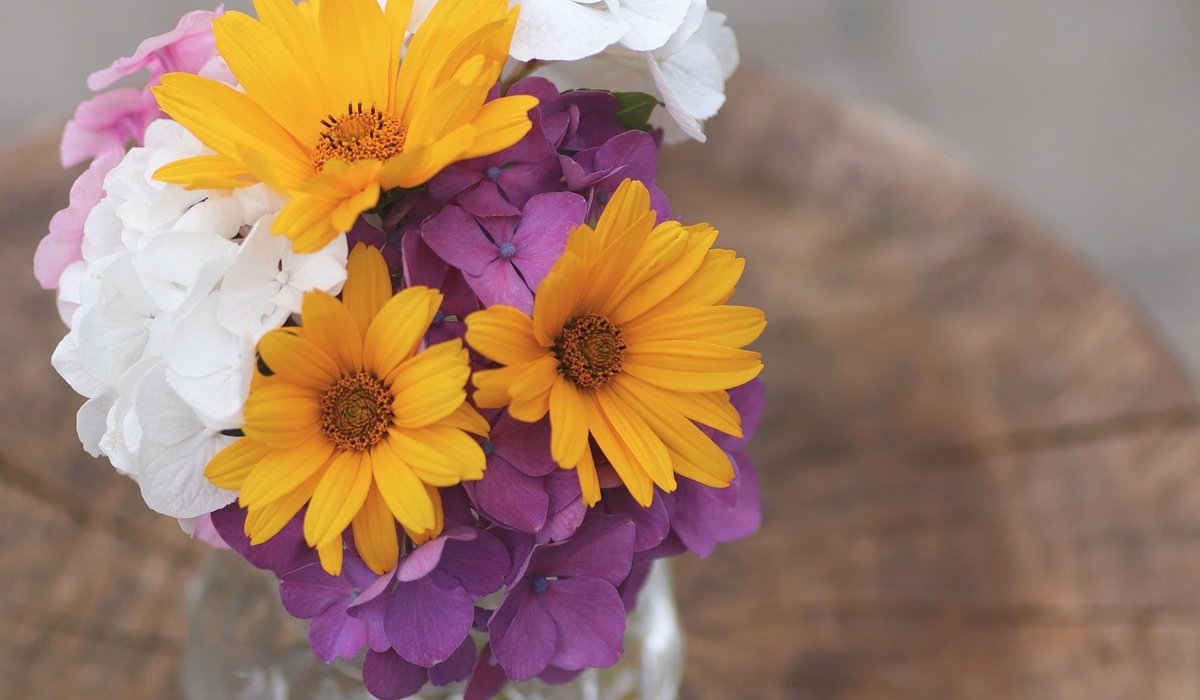
In a vintage parlour, the details do some of the work for you. A cloth on the table, a tray rather than a handful of crockery, a small vase of garden flowers, and a chair positioned so a guest can see the fire or the window all contribute. These are not affectations; they are simply the physical grammar of welcome.
Reading the Room, and the Farewell
Good hosts pay attention to signs. If a guest glances at the clock, stifles a yawn, or has finished their tea twice over, the visit is winding down. Let it end on a warm note rather than dragging it out.
See them to the door. Fetch the coat, help with the buttons, and walk them out if the weather is poor. Thank them for coming — genuinely — and mean it. A guest who leaves feeling that their company was the point of the afternoon will be back, and they will bring others.
None of this is complicated. It is simply the habit of thinking about the person on the other side of your front door, and doing the small things that make them glad they knocked.
tag: Home Etiquette

Eleanor Whitcombe Author
Keep topics light and inclusive, listen as much as you speak and steer clear of money, politics or personal questions.
YOU MAY ALSO LIKE

Navigating Conversation at a Formal Dinner
Jul 10
10A brief handwritten message mentioning a specific moment shows genuine appreciation and keeps the warmth of hospitality alive long after the event.
read more
Writing Thank-You Notes After a Gathering
Jul 8
10Stitch simple fabric pouches and fill them with dried lavender to keep sheets fresh and add a gentle scent to your home.
read moreAfternoon Tea
-

ERRIC CATONA
Use watercolours, calligraphy pens and card stock to make personalised place cards that add a charming touch to any table setting.
May 19, 2016 at 5.12 pm
Reply
ERRIC CATONA
Turn leftover fabric into a reversible runner that protects surfaces and brings colour to everyday meals or celebratory gatherings.
May 19, 2016 at 5.12 pm
Reply -
ERRIC CATONA
Arrange tiered stands, delicate china and linen napkins to create a welcoming afternoon tea that feels both special and relaxed.
May 19, 2016 at 5.12 pm
Reply
Vintage Decor
Your email address will not be published.