
How to Style Antique Furniture in Modern Homes
There is a particular kind of British room that makes people stop in the doorway: a low afternoon light, a wooden table that has clearly been polished by a hundred years of elbows, and a china cup set down with a small, satisfying click. It is not a museum. It is a home. And the difference between the two comes down almost entirely to styling.
Antique furniture in a modern home goes wrong in two predictable ways. Either the room becomes a showroom for inherited pieces, every surface crowded with brown wood, or the antiques are isolated like awkward relatives, given a corner and apologised for. Neither feels good to live in. The fix is not to buy new things. It is to edit, contrast and light what you already have.
Start With One Dark Anchor, Not Five
Dark wood reads as heavy because of repetition. One mahogany chest of drawers against pale walls looks deliberate and rich. Three dark pieces in the same sightline look like a house clearance. Choose a single hero piece per room — a Victorian sideboard, a Georgian chest, a writing bureau — and let it carry the weight. Everything around it should be lighter, lower or plainer.
Give that anchor real breathing space. Pull it 15–20cm away from the wall so the light falls behind it, and clear the surfaces above knee height. A lamp, one small bowl and possibly a single framed print is enough. If you can see the wood grain and the patina of the top, the piece is doing its job.
Mix Periods With Confidence, Not Caution
The most convincing modern-antique rooms mix eras without apology. The trick is to match on line rather than on age. A spindly Edwardian chair sits beautifully beside a plain modern table because both share thin, quiet profiles. A chunky 1970s sofa looks wrong next to delicate Regency legs for exactly the opposite reason.
- Sharp against soft: pair a hard-edged modern lamp with a wingback that has softened with age.
- Plain against ornament: let carved or inlaid antique pieces stand near unadorned ceramics and plain linen.
- Low against tall: a long low modern sofa balances a tall antique bookcase rather than competing with it.
- Matte against shine: tarnished brass, pewter and aged glass stop dark wood feeling flat.
If a piece feels out of place, try removing something before moving it. Antiques rarely need company; they need room.
Deal With Worn Upholstery Honestly
Worn upholstery is charming. Sagging upholstery is not. The distinction matters, and it is worth being ruthless here. Faded velvet, a little threadbare piping along an arm, a slightly dulled tapestry panel — these are character. A seat that swallows you, a broken spring, a smell that lingers: that is a job to be done, or a piece to be moved to a bedroom where it will be used less.
Where the frame is sound but the fabric is genuinely tired, loose covers in a plain natural linen or heavy cotton will bring an antique chair straight into a modern room. Keep them slightly too long rather than slightly too short, and avoid patterns that fight the wood. If you are keeping original fabric, add two or three cushions in a single fresh colour — one shade, repeated — to pull the eye up and away from any patchiness.
Layer Light, Never Overhead Only
Antiques were made for candlelight and gaslight, and they still look best in low, warm, layered light. A single ceiling pendant flattens veneer and shows up every scratch. Instead, aim for three or four small pools of light at different heights.
- A table lamp on the antique chest, with a linen or pleated shade, at roughly eye level when seated.
- A floor lamp angled toward a wall or a corner to bounce soft light back into the room.
- A low lamp or two candles on the tea table, so the china and silver catch a glint.
- Warm bulbs — around 2700K — and dimmable wherever possible.
In a genuine parlour setting, a small shaded lamp beside a wing chair does more for atmosphere than any amount of redecoration. It also makes an old room feel used, which is the whole point.
Style the Tea Table Like a Still Life
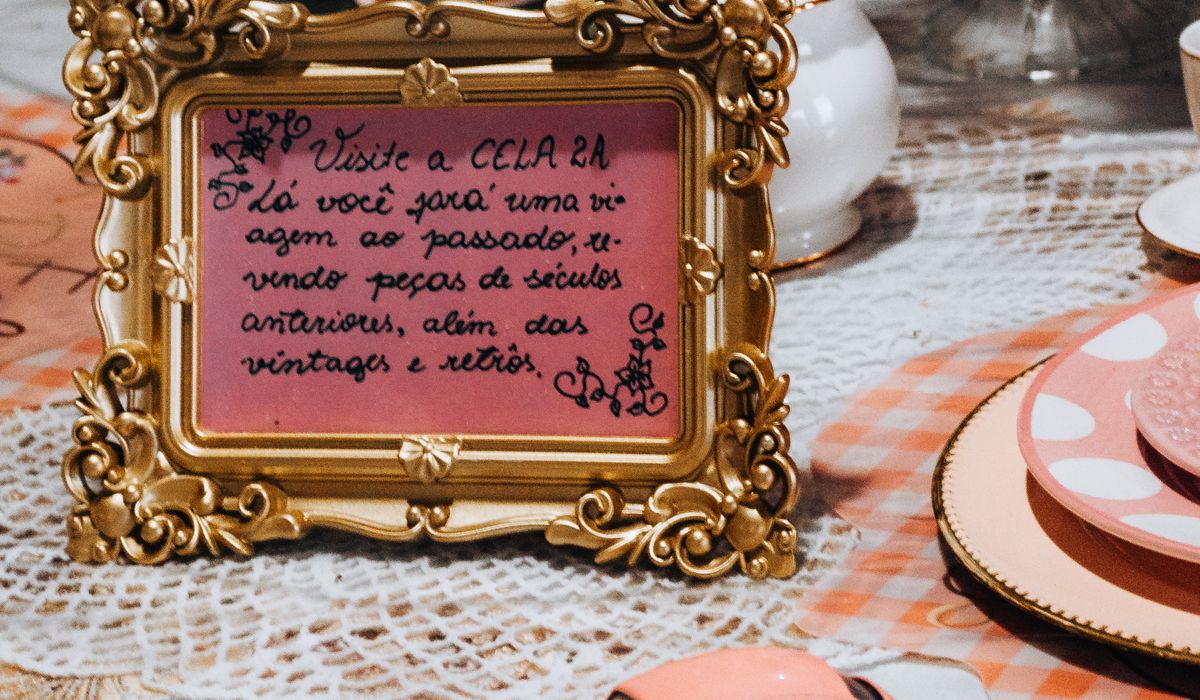
Afternoon tea is the easiest way to make antiques look intentional, because the ritual gives old objects a job. Set the table with a cloth — pressed linen, not plastic — and keep to one pattern of china plus one plain white. Mismatched floral trios look charming; four different patterns plus a patterned cloth looks chaotic.
Build height in small steps. A tiered cake stand, a small jug of flowers cut short so guests can see over them, butter in a covered dish, and a silver or silver-plated spoon laid straight. Leave gaps. A tea table should look composed rather than full, and a little empty space on an old wooden surface is the single most underrated styling tool you have.
Edit, Dust and Use the Room
Finally, be honest about quantity. Walk into the room and count the brown wooden surfaces. Four is usually plenty for an average sitting room; six is a collection. Anything you genuinely love but cannot place can rotate seasonally — bring the brass candlesticks out in autumn, the lighter ceramics in spring.
Dust and polish properly, but sparingly. Beeswax once or twice a year on good wood, a soft dry cloth weekly, and no silicone sprays. Then use the room. Sit in the chair. Drink from the cups. Put a mug down on the sideboard without flinching. Antiques in a modern home only look out of place when they are treated as untouchable. Give them a role, a good lamp and a bit of space, and they will look exactly as they should: well-loved, and entirely at home.
tag: Vintage Decor

Eleanor Whitcombe Author
Discover how traditional patterns can add warmth and character, plus practical tips for choosing scales that suit small or large spaces.
YOU MAY ALSO LIKE

The Charm of Floral Wallpaper in a Sitting Room
Sep 4
10Gather friends for charades, sardines and twenty questions, simple amusements that need no screens and suit all ages.
read more
Classic Parlour Games for a Rainy Afternoon
Sep 1
10Set the scene with candlelight, period music and traditional card games for an evening that feels playful, elegant and delightfully old-fashioned.
read moreAfternoon Tea
-

ERRIC CATONA
Introduce young players to blind man's buff, hunt the thimble and other gentle games that build confidence, memory and social skills.
May 19, 2016 at 5.12 pm
Reply
ERRIC CATONA
Plan a comforting menu, set a generous table and pace the courses so you can enjoy your guests instead of rushing in the kitchen.
May 19, 2016 at 5.12 pm
Reply -
ERRIC CATONA
Fresh linen, a bedside lamp and a few thoughtful touches turn a spare room into a welcoming retreat that helps visitors feel at ease.
May 19, 2016 at 5.12 pm
Reply
Vintage Decor
Your email address will not be published.