
Teaching Children to Enjoy Old-Fashioned Parlour Games
There is a particular sort of magic in a British parlour on a rainy Sunday afternoon: the clink of teacups, the smell of buttered toast, and a small child triumphantly discovering a thimble behind the clock. Old-fashioned parlour games — blind man's buff, hunt the thimble, sardines and charades — ask for nothing more than a little space, a few everyday objects and an adult willing to join in. They also happen to be wonderful training for young minds and manners.
Why These Games Are Worth Reviving
Parlour games are gentle by design. They rarely need batteries, screens or expensive equipment. Instead, they teach children to read a room, wait their turn, remember a sequence, and cope with the small disappointment of not winning. A child who learns to hide a thimble without giggling, or to guide a blindfolded friend with a calm "hot, hotter, hottest", is practising empathy and self-control. These are the quiet skills of good company — the very things afternoon tea and vintage parlour living celebrate.
Setting the Scene for Afternoon Tea and Play
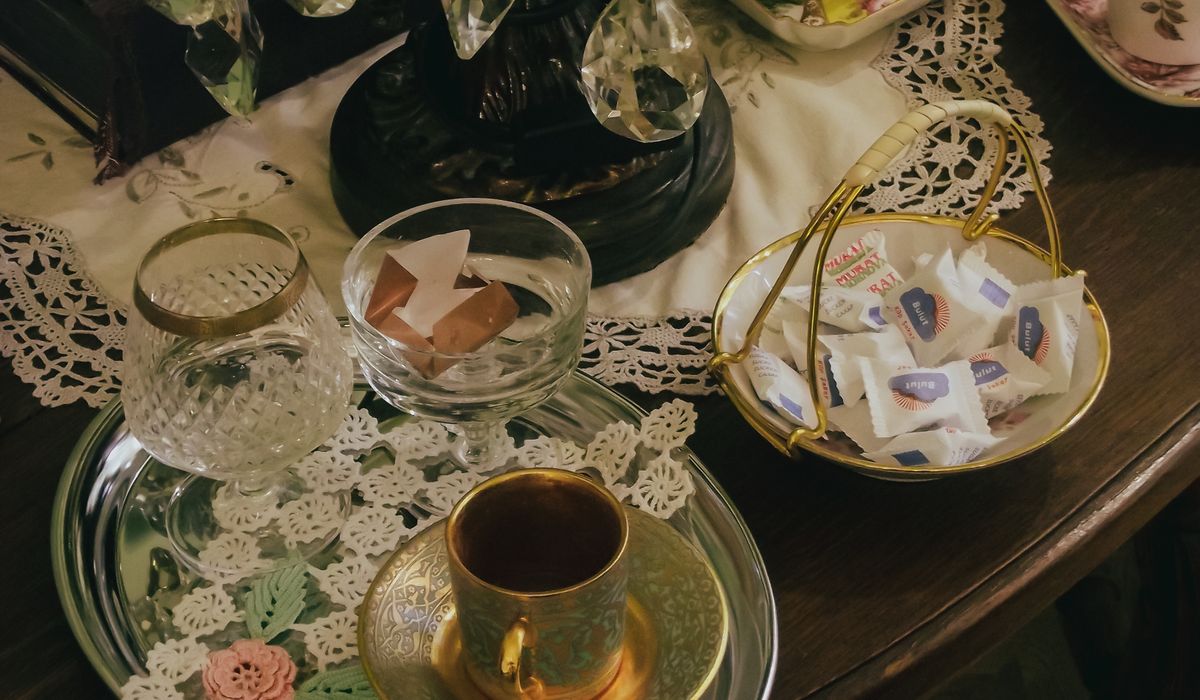
Choose a room with a clear floor, soft lighting and a few safe boundaries. Move footstools, tuck away trailing flexes, and lay a rug if you have bare boards. A tray of small cups — weak tea for older children, warm milk or fruit tea for younger ones — plus cucumber sandwiches, fairy cakes or shortbread sets a civilised tone. Let the children help lay the table and pass plates; the game begins with manners. Keep a basket near the sofa containing a thimble, a clean blindfold, a small tray and a bell. Ten minutes of preparation gives you an hour of play.
Hunt the Thimble: The Perfect First Game
Hunt the thimble is ideal for ages four and up. One player leaves the room while another hides the thimble somewhere visible but not obvious — on a bookshelf, behind a plant pot, under the rim of a cake stand. The seeker returns and the others call "cold" when they are far away, "warm" when close, and "hot" when almost there. No shouting, no pointing; just clear, kind clues. For younger children, hide it in plain sight and use "hot" and "cold" only. For older ones, add a time limit or hide two thimbles. The game builds observation, patience and listening skills, and because everyone gives clues, nobody is left out.
Blind Man's Buff and Other Gentle Active Games
Blind man's buff needs a responsible adult and a safe space. Use a clean silk scarf or sleep mask, never a tight tie. The blindfolded player stands in the middle while others walk — not run — around the room. When the blind man catches someone, he or she must guess who it is by touch or voice. If correct, they swap places. Set firm rules: no pushing, no leaving the room, and keep furniture back. If a child feels anxious, let them wear the blindfold for only ten seconds or hold an adult's hand. Sardines is a lovely alternative: one person hides, and everyone else joins them silently until the last seeker finds the whole squeezed-in group. Grandmother's Footsteps is another gentle favourite, building balance and self-control.
Quiet Games for Memory, Words and Manners
When energy dips, turn to the table. Kim's Game: set ten small objects on a tray — a thimble, a teaspoon, a button, a conker — let the children study them for thirty seconds, then cover the tray and remove one item. They must spot what is missing. I Went to Market: "I went to market and bought an apple." "I went to market and bought an apple and a banana." Each player repeats the list and adds one. Consequences and charades encourage storytelling and quick thinking. These games stretch memory, vocabulary and turn-taking, and they cost nothing. Serve them with a pot of tea and a plate of biscuits, and the afternoon becomes a lesson in gracious living without anyone noticing.
Building Confidence, One Turn at a Time
Children gain confidence when they know what is expected. Explain the rules simply, demonstrate a round, and let them be the clue-giver or the hider early on. Praise effort — "You gave such clear clues" — rather than victory. Keep games short: fifteen minutes is plenty for a first attempt. End with a ritual, such as ringing a small bell for the final round or sharing a slice of Victoria sponge. Over weeks, you will see shy children volunteer, boisterous ones wait, and friendships deepen. That is the quiet genius of the parlour: it gives everyone a part to play and a place at the table.
tag: Parlour Games

Harriet Pennington Author
Plan a comforting menu, set a generous table and pace the courses so you can enjoy your guests instead of rushing in the kitchen.
YOU MAY ALSO LIKE

How to Host a Relaxed Sunday Lunch
Aug 21
10Fresh linen, a bedside lamp and a few thoughtful touches turn a spare room into a welcoming retreat that helps visitors feel at ease.
read more
Preparing Your Home for Overnight Guests
Aug 17
10Use hooks, trays and soft lighting to keep clutter under control while making the first room guests see feel warm and organised.
read moreAfternoon Tea
-

ERRIC CATONA
Bring daffodils, tulips and fresh herbs indoors for a cheerful centrepiece that celebrates the season without expensive arrangements.
May 19, 2016 at 5.12 pm
Reply
ERRIC CATONA
Layer russet linens, beeswax candles and foraged foliage to create a generous table that feels cosy as evenings draw in.
May 19, 2016 at 5.12 pm
Reply -
ERRIC CATONA
Keep decorations simple with greenery, red ribbons and plain china, then let good food and company take centre stage.
May 19, 2016 at 5.12 pm
Reply
Vintage Decor
Your email address will not be published.