
Hosting a Victorian-Themed Game Night at Home
Set the Scene: Light, Scent and Sound
A Victorian-themed game night lives or dies on atmosphere, and atmosphere is mostly about light. Swap overhead bulbs for candlelight wherever it is safe to do so: a cluster of beeswax or paraffin tapers on the sideboard, a pair of candelabra on the card table, and a few glass hurricane lamps if you want something less drippy. Beeswax smells faintly of honey; paraffin burns brighter, so mix the two. If you have open flames anywhere near paper or fabric, keep a small brass snuffer and a shallow dish of water within reach — it is period-appropriate and genuinely useful.
For music, aim for something small and live-sounding rather than a modern playlist. Parlour repertoire of the era included waltzes, quadrilles, polkas and simple airs for piano, violin or flute. A single instrumental album of period dance music played quietly in the background works beautifully; anything with vocals tends to compete with conversation. Keep the volume low enough that guests never raise their voices.
Scent matters more than you might expect. A little potpourri in a dish, or a few drops of lavender or rose oil on a warm plate, does the work of a whole decorating scheme. Avoid anything too perfumed near food.
The Dress Code, Without the Fuss
You do not need full costume to make an evening feel Victorian — you need a reason for guests to make an effort. Send an invitation with a gentle line such as "a touch of old-fashioned elegance appreciated" and suggest a palette: ivory, burgundy, deep green, charcoal. A waistcoat, a brooch, a lace collar or a pair of gloves is plenty. One or two guests will go all in, and that is exactly what you want; the rest can lean on a cravat and a decent jacket.
Set a couple of small props by the door: a tray of gloves, a box of borrowed brooches, a few folded handkerchiefs. It solves the problem of the guest who arrives plain and feels self-conscious.
The Table: Cards, Candles and Small Comforts
Play at a round or square table covered with a heavy cloth — felt or baize if you have it, a plain linen cloth if you do not. A cloth stops cards skidding and muffles the sound of chips and coins. Work out seating for four or six; odd numbers make most card games awkward.
You will want:
- Two decent packs of cards, one for play and one spare, plus a cribbage board if you plan to use it.
- Small dishes of nuts, salted almonds and candied peel, kept well away from the cards.
- Low glasses for negus, sherry or a non-alcoholic shrub; high glasses tip and spill.
- Pencils and a small notebook for scores, rather than phones.
- A folded paper fan or two — the room will get warm with candles and company.
Put a small bowl of water and a cloth on the side for sticky fingers. It sounds fussy; it saves your cards.
Traditional Games Worth Playing
Choose games with short rules that reward bluffing and good manners in equal measure. Whist is the backbone of a Victorian evening: two partnerships, thirteen tricks, trumps decided by the turn of a card. Teach it in five minutes and play in rubbers to five points. Cribbage suits two or four and gives you the satisfying pegging board. Loo and Vingt-et-un (the ancestor of blackjack) are excellent for a livelier table and a small stake of pennies or buttons.
For a less competitive mood, try Snap, Old Maid or Beggar-My-Neighbour — they are quick, noisy and disarmingly funny after a glass of sherry. A parchesi or backgammon board on a side table keeps the non-card players happy.
Two house rules make the evening flow. First, deal in rounds of about forty minutes, then stop for food and moving about. Second, play for something trivial — a tin of boiled sweets, a wrapped bar of soap, a paper crown — so nobody feels genuinely beaten.
Afternoon Tea, Served Late
You do not need a full dinner. A Victorian card party was usually fed with what was already in the larder, laid out on a tiered stand or a plain tray. Build it in three layers:
- Bottom: thin-cut sandwiches — cucumber with a scrape of butter, egg and cress, ham and mustard, smoked salmon if you are pushing the boat out.
- Middle: plain and fruit scones with clotted cream and a small pot of jam, plus a plate of shortbread.
- Top: small sweet things — seed cake, lemon drizzle cut into fingers, a few crystallised violets.
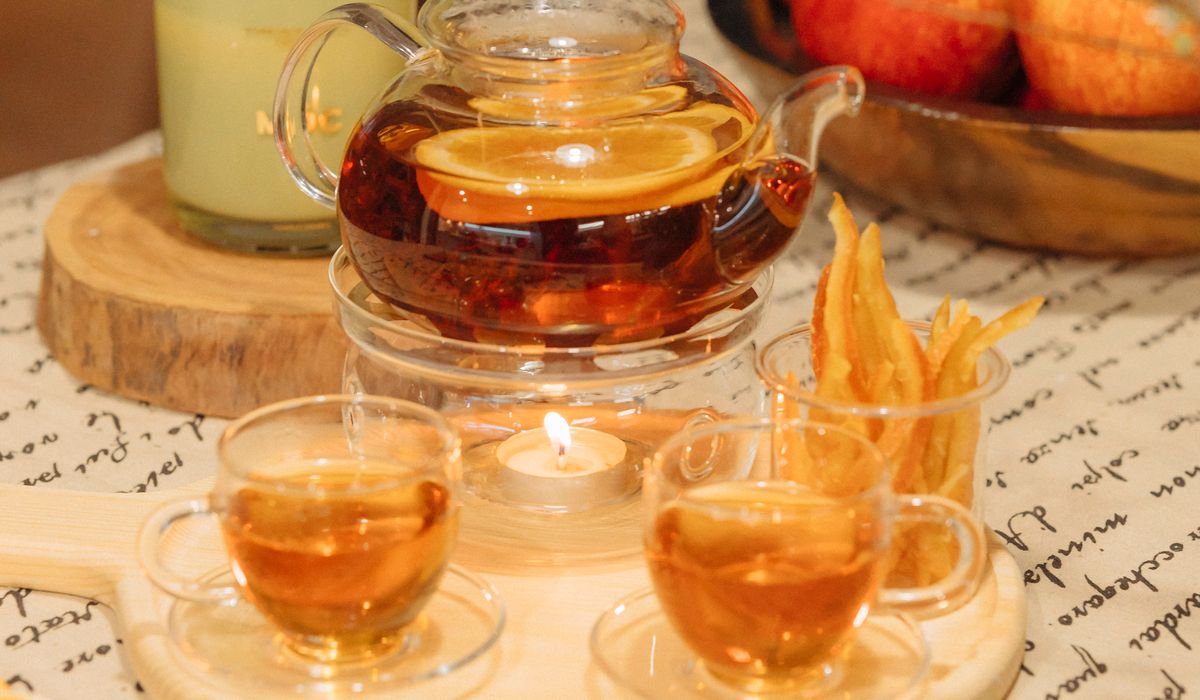
Keep the tea proper: loose leaf in a warmed pot, one spoon per person and one for the pot, water just off the boil. Offer a second pot of something caffeine-free later in the evening so people can keep playing. A jug of lemonade with mint is a kind touch for the drivers and the abstainers.
Pace, Manners and Knowing When to Stop
The secret of a good parlour evening is rhythm. Begin with something easy while people settle — a hand of Snap or a single rubber of Whist. Move to the more strategic game once the room has warmed. Break for tea at the natural lull, not at a fixed clock time. Finish with something silly and short.
Keep the manners of the period without the stiffness: congratulate the winner, commiserate with the loser, and never let a game outlast the goodwill. When the candles have burned down to stubs and the last scone has gone, hand out a small parting sweet, blow out the lamps, and send everyone home feeling they have spent an evening somewhere rather more elegant than an ordinary Tuesday.
tag: Parlour Games

Oliver Bexley Author
Introduce young players to blind man's buff, hunt the thimble and other gentle games that build confidence, memory and social skills.
YOU MAY ALSO LIKE

Teaching Children to Enjoy Old-Fashioned Parlour Games
Aug 24
10Plan a comforting menu, set a generous table and pace the courses so you can enjoy your guests instead of rushing in the kitchen.
read more
How to Host a Relaxed Sunday Lunch
Aug 21
10Fresh linen, a bedside lamp and a few thoughtful touches turn a spare room into a welcoming retreat that helps visitors feel at ease.
read moreAfternoon Tea
-

ERRIC CATONA
Use hooks, trays and soft lighting to keep clutter under control while making the first room guests see feel warm and organised.
May 19, 2016 at 5.12 pm
Reply
ERRIC CATONA
Bring daffodils, tulips and fresh herbs indoors for a cheerful centrepiece that celebrates the season without expensive arrangements.
May 19, 2016 at 5.12 pm
Reply -
ERRIC CATONA
Layer russet linens, beeswax candles and foraged foliage to create a generous table that feels cosy as evenings draw in.
May 19, 2016 at 5.12 pm
Reply
Vintage Decor
Your email address will not be published.